
Published October 22, 2026
3 min read
Bitcoin vs. Monero: Understanding Transparency and Privacy in Crypto
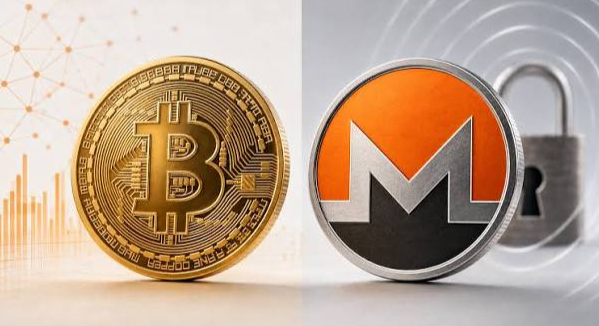
You send someone Bitcoin. They get it. And somewhere between those two events, anyone on earth with an internet connection can watch it happen – the address it left, the address it arrived at, the exact amount, the timestamp. That info is on a public ledger and stays there permanently. Not for a few years, though. For good.
That's not a flaw in Bitcoin. That's just how it was designed.
Monero starts from the opposite end of that question. When you send XMR, the sender and recipient are both hidden — it's not something you can just switch on or pay extra for, it's just how Monero transactions work.
Understanding why someone would convert BTC to XMR starts with understanding what that difference actually does in practice.

Author
Brian Dimick


