

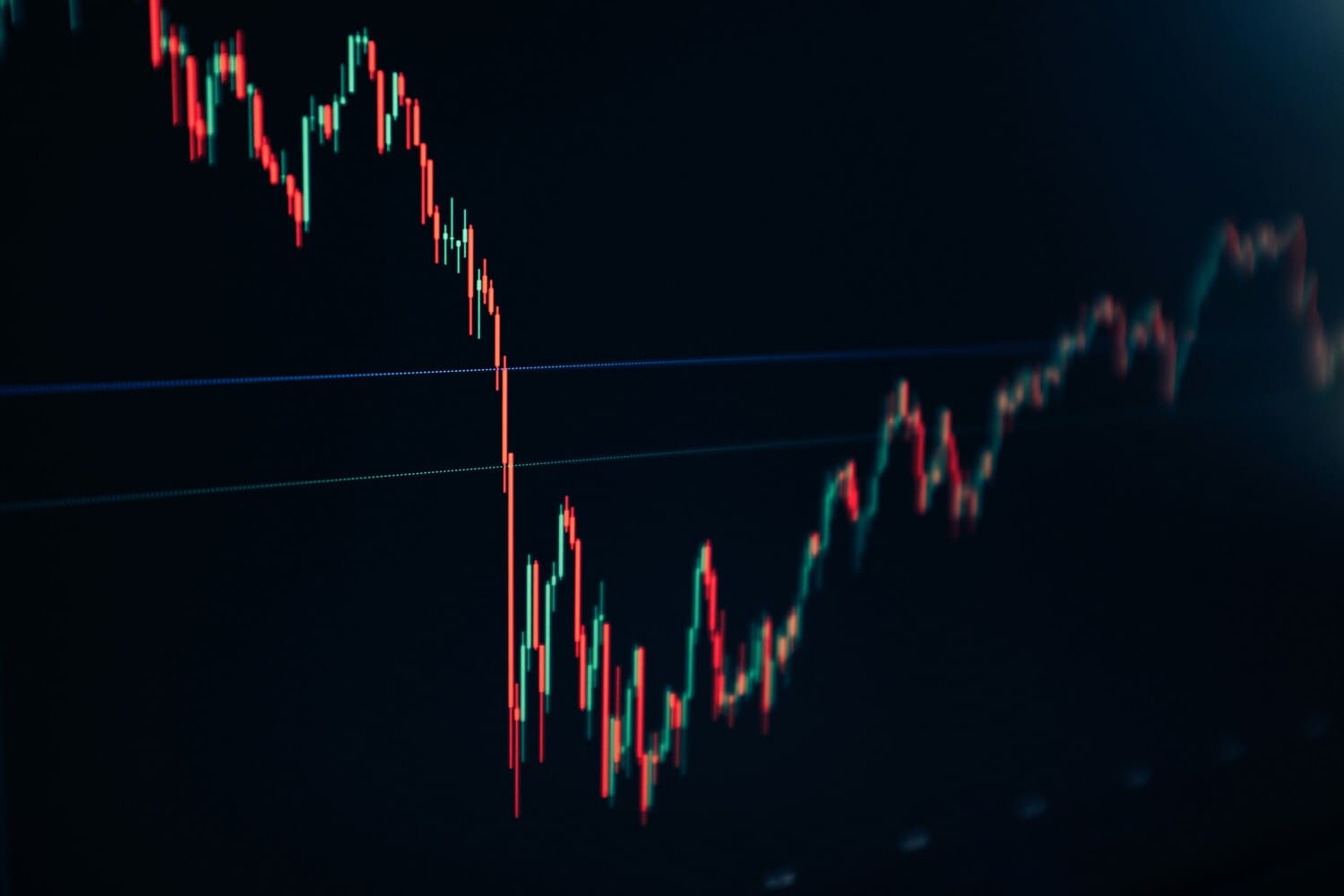
Prices can change rapidly in the crypto markets to the point of losing the whole bullish run over the past few hours. That’s where risk management helps. It takes a beating for your trading account and prevents you from ruining your trading career with one unsuccessful trade.
We summarise in this article the key points that traders need to know, ranging from risk limit, position size, stop loss, volatility, leverage, diversification and discipline. Interestingly, the same applies when you use big bass splash non gamstop sites, and in fact, it is useful to have a pre-set budget so that you don’t blow your cash in a fit of impulse.
Set a Maximum Risk Before Every Trade
Before you put the position on, always define what maximum loss you can stomach if the trade develops unfavourably. Many traders rely on risking 1% of their account size, although it is not a rule. So, a trader with a $10,000 account might apply a max loss of $100 per trade. The percentage you use will depend on your personal circumstances, your method and your willingness to accept loss.
Having this ready in front of you before you begin means you don’t react emotionally when the tides turn against you. The same applies when you buy into a casino non-Gamstop. You want to set a spending cap before you start, not after. That’s what will keep everything in line.
Determine Position Size and Apply Stops
Position size is the actual quantity of money at risk in the trade. To calculate it, you need to follow this equation:
Position size = Account value × risk percentage ÷ distance between entry and stop loss
Let’s say you were risking $100, or 1%, on a $10,000 account. So if you set your stop 5% below entry, you are going to have a smaller position than if you set it just 2%. This is because you are using a wider stop, which requires a smaller position.
A stop loss lets you know where you will exit the trade if the trade idea you initially entered no longer makes sense, so that you don’t fall into a trap of ‘waiting and hoping’. Unfortunately, you don’t always get your stop loss at that price during sharp moves in the market or if there is lower liquidity. The same principle applies when setting how much you are willing to lose at a casino non-Gamstop per game.
Adjust Your Position When Markets Become More Volatile
Crypto prices tend to be volatile. Something that’s manageable in a relatively stable market can turn into a lot more risk if volatility kicks in. As volatility begins to pick up, it may be worth shrinking your position.
Liquidity is also relevant for smaller coins, where lack of volume can magnify your losses. It isn’t necessary to try and anticipate every shift; just prevent any losses from exceeding your guideline. Like a casino non-Gamstop, your change in circumstances should not escalate your financial risk.
Be Careful With Leverage
Leverage is what allows traders to take bigger positions with less margin, but it will also magnify your losses just as much as it does your gains. Rather than using the maximum leverage offered, work your position size back from your account size, risk, and stop-loss distance.
It is also worth the effort to learn the distinction among position size, notional exposure, and margin. Leverage has the potential to quickly turn what looks like a decent investment plan into one that could be disastrous. As in a non-Gamstop casino, there is nothing from an additional fund to a reason to go into debt.
Diversify Your Exposure and Protect Your Accounts
Diversification by owning multiple cryptocurrencies does not necessarily lower risk because these assets are all correlated with each other during market-wide corrections. You should look at the correlation of your holdings, as well as industry, since there are other risks outside the markets. Further risks include exchange failures, wallet software errors, phishing, contract errors and account hacking.
This potential risk can be mitigated by the use of strong passwords, two-factor authentication, and a close look at the platforms and wallet address. The same attention should be paid when considering the safety and conditions of a casino non-Gamstop or similar sites.
Follow a Trading Plan and Avoid Emotional Decisions
FOMO, panic selling, and revenge trading can completely blow an otherwise sound risk plan out of the water. You can physically write down your entry conditions, exit conditions, maximum risk, and other circumstances when you should not be trading.
You will also be able to identify common errors made by reviewing previous trades. Set predefined limits, whether for crypto trading or a casino budget non-Gamstop, so you will not make hasty decisions out of temporary emotion.
Conclusion
While risk management can’t eliminate a loss, it can minimize a loss by setting a limit, effective position sizing, stop losses, monitoring volatility, leveraging, diversifying, and protecting your account. When you protect your capital, you can successfully go through the losing times that all traders face.


