

- The Main Difference: Staying in Crypto or Moving to Cash
- Swap Transactions: What Changes in Your Portfolio
- Selling Transactions: What Changes After You Exit Crypto
- Tax Impact: Both Swaps and Sales Can Matter
- Fees, Spread, and Slippage: The Real Cost Before Confirming
- Risk and Timing: Why the Goal Comes Before the Button
- Beginner Checklist Before You Click Confirm
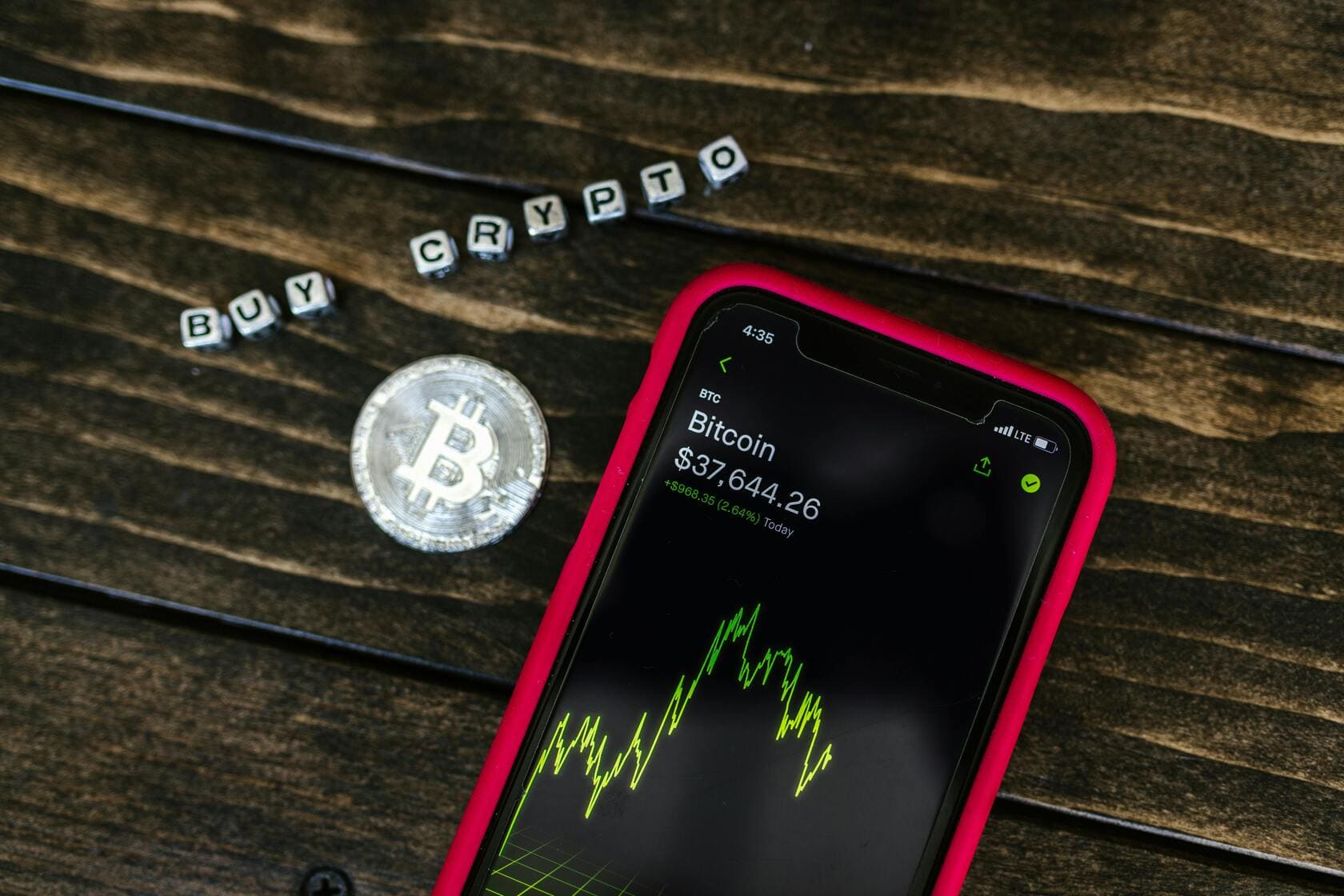
A crypto user usually chooses between a swap and a sale based on the result they want. A swap changes one crypto asset into another crypto asset. A sale changes crypto into cash or a fiat balance. The investor decision depends on the goal, the cost, the tax impact, and the risk.
Both actions can look simple inside an exchange app. However, each action leads to a different result. A beginner should first decide whether the goal is to stay in crypto or move into cash.
The Main Difference: Staying in Crypto or Moving to Cash
A swap keeps value inside crypto because the user receives another coin or token. A sale moves value from crypto into cash because the user receives a fiat balance such as USD or EUR.
For example, a user who swaps BTC for ETH still holds crypto after the transaction. A user who sells BTC for USD now holds cash value on the exchange. After that, the user may withdraw the money to a bank account.
The main point is simple. A swap changes crypto exposure. A sale reduces or removes crypto exposure.
Therefore, a swap works better when the user wants another crypto asset. A sale works better when the user wants cash value.
Swap Transactions: What Changes in Your Portfolio
A swap replaces one crypto asset with another crypto asset. The user gives one asset and receives a different asset. The portfolio usually remains exposed to crypto market movement.
For example, a user may swap SOL into USDC. After the swap, the SOL balance goes down and the USDC balance goes up. The user no longer depends on SOL price movement. Instead, the user now holds a stablecoin position.
Some swaps are also used when a user wants a specific asset pairing that is not always available as a simple buy button on every exchange. For example, Litecoin and Monero are different assets with different use cases, networks, fees, and liquidity. A beginner comparing an ltc to xmr swap should first check the exchange rate, network details, estimated arrival time, and whether the platform supports both assets safely. After that, the user should compare the final amount received with another exchange before confirming.
A swap can help a beginner when the goal is clear:
- The user wants another crypto asset.
- The user wants a stablecoin during market volatility.
- The user wants to rebalance a portfolio.
- The user wants access to another blockchain ecosystem.
- The user wants to stay inside crypto without withdrawing cash.
Next, the user should check the final quote. The expected amount can change before the order completes. Coinbase explains that slippage happens when an order executes at a higher or lower price than expected because crypto prices can move during trading.
Selling Transactions: What Changes After You Exit Crypto
Selling converts a crypto asset into fiat balance. The user gives a coin or token and receives cash value. The portfolio reduces crypto exposure after the sale.
For example, a user may sell ETH for EUR. After the sale, the ETH balance goes down and the EUR balance goes up. The user can keep the EUR on the exchange or withdraw it to a bank account.
Selling fits better when the goal is cash. A beginner may sell crypto to take profit, reduce risk, pay expenses, or leave a position.
The main difference matters because selling creates a cash balance, while swapping creates another crypto balance. For this reason, the user should choose selling when cash is the intended result.
Then, the user should save the transaction record. The IRS says digital asset transactions must be reported whether or not they result in taxable gain or loss.
Tax Impact: Both Swaps and Sales Can Matter
A swap may create a taxable gain or loss. A sale may also create a taxable gain or loss. The tax result depends on the cost basis and the value at the time of the transaction.
Many beginners think tax only matters after selling crypto for cash. That idea can cause mistakes. In many cases, exchanging one crypto asset for another can also count as disposing of the first asset.
For example, a user buys BTC at $30,000 and later swaps it when it is worth $45,000. The swap may create a gain because the user disposed of BTC at a higher value.
The IRS uses Form 1099-DA to report digital asset proceeds from broker transactions. The IRS also states that digital asset transactions must be reported even when there is no taxable gain or loss.
Therefore, the user should record every swap and sale. A useful record includes the date, asset, amount, value in local currency, fee, and transaction ID.
Fees, Spread, and Slippage: The Real Cost Before Confirming
Transaction costs reduce the final amount received. An exchange may charge a platform fee. A blockchain network may charge a network fee. The market price may include spread. Fast price movement may cause slippage.
A beginner should not only look at the coin price. The final amount received matters more. The preview screen may show the estimated amount, fee, and rate. The user should read that screen before confirming.
Spread means the buy price and sell price are different. Slippage means the trade completes at a different price than expected. Coinbase explains that spread and slippage can affect crypto buying, selling, and converting.
The best transaction is the one where the user understands the final amount received. Before confirming, the user should compare the amount sent, the amount received, the exchange fee, the network fee, the price impact, the slippage warning, and any withdrawal cost.
Then, the user can decide whether the result still supports the original goal.
Risk and Timing: Why the Goal Comes Before the Button
The investor goal should decide whether to swap or sell. A swap keeps the user exposed to crypto risk. A sale lowers exposure to crypto price movement.
Crypto assets can be volatile and risky. The SEC’s investor education site says crypto asset securities can be exceptionally risky and often volatile. It also lists risks such as volatility, illiquidity, platform failure, fraud, and loss of value.
For a beginner, the first question should be clear: what is the goal for this money?
If the goal is to stay invested, a swap may fit. If the goal is to protect gains or get cash, a sale may fit. If the goal is to reduce volatility without leaving crypto completely, swapping into a stablecoin may fit. Still, stablecoins carry their own risks, so the user should check the asset before relying on it.
Next, the user should avoid making the decision only because the price is moving fast. Fast decisions can lead to high fees, poor rates, or emotional trades.
Beginner Checklist Before You Click Confirm
A crypto user should check the goal, final amount, fee, tax record, and risk before confirming. The transaction preview shows important decision details. Good recordkeeping helps with tax reporting and portfolio tracking.
Use this checklist before every swap or sale:
- The goal is clear: stay in crypto, reduce risk, take profit, or get cash.
- The current asset is the coin or token being given up.
- The new asset or currency is the amount received after the transaction.
- The final amount includes fees and spread.
- The price risk includes slippage and fast market movement.
- The tax record includes date, asset, amount, value, fee, and transaction ID.
- The risk level matches the amount the user can afford to keep in crypto.
A swap makes sense when another crypto asset supports the plan. A sale makes sense when cash supports the plan.
A swap changes the crypto a user holds. A sale changes crypto into cash. Both can affect taxes, fees, and risk. Therefore, the user should review the result before confirming the transaction.


