

- Security and Compliance Are Now Essential
- Regulation Builds Long-Term Trust
- Protection Against Cybersecurity Risks
- Liquidity and Infrastructure Matter More Than Ever
- Stable Infrastructure Improves Trading Conditions
- Access to Real-Time Information
- XBO Focuses on Enterprise-Level Reliability
- More Than a Standard Crypto Exchange
- Scalability and Business Integration
- Transparency Is Becoming a Competitive Advantage
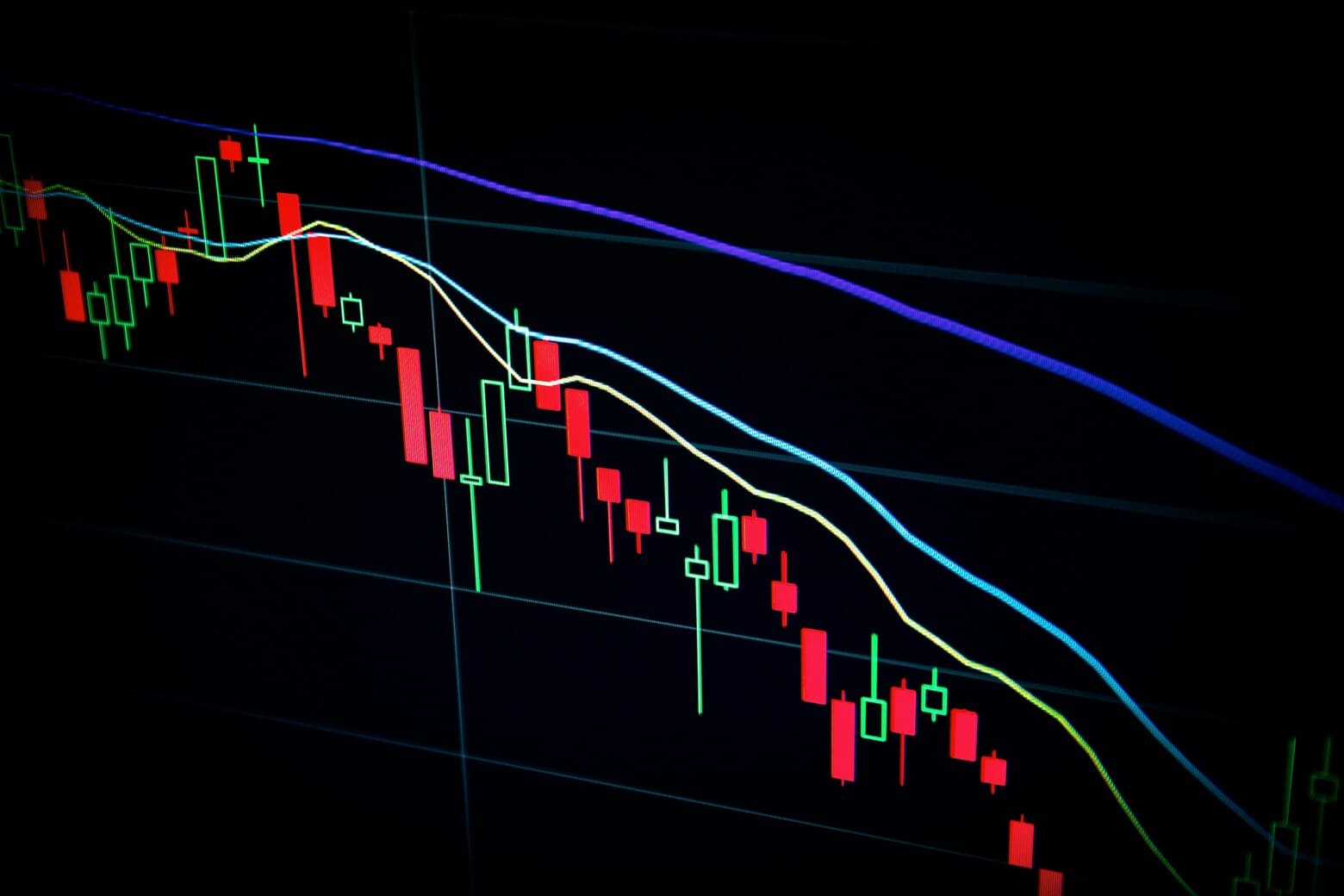
The cryptocurrency industry has changed significantly over the past decade. In its early years, many exchanges operated with limited regulatory oversight, varying security standards, and relatively low liquidity. As a result, users often selected platforms based on available assets and convenience rather than long-term reliability.
Today, the situation is very different. Traders and investors pay much closer attention to factors such as security, regulatory compliance, execution quality, and operational transparency when choosing where to trade digital assets.
As the market continues to mature, exchanges face growing expectations from both retail and institutional participants. Providing reliable infrastructure, strong risk management, and professional-grade services has become essential for building trust and remaining competitive.
Security and Compliance Are Now Essential
Regulation Builds Long-Term Trust
Exchanges that are regulated tend to be more trustworthy as they operate under strict financial authority and adhere to stricter operational procedures. This usually means that there are rules in place for preventing money laundering, verification of users, and transparent reporting.
The demand for crypto exchanges efficient and trusted has increased rapidly as institutional investors continue entering the digital asset sector. According to Chainalysis, global cryptocurrency transaction volume exceeded $24 trillion during 2025, with institutional transfers representing a major portion of activity.
This level of market growth has pushed exchanges to strengthen infrastructure and improve operational transparency.
Protection Against Cybersecurity Risks
Security remains one of the biggest concerns in the cryptocurrency industry. To reduce risk, leading exchanges invest heavily in cold storage solutions, multi-factor authentication, encryption technologies, and continuous monitoring systems designed to detect suspicious activity and protect client assets.
According to CertiK, blockchain-related hacks and security breaches have resulted in billions of dollars in losses in recent years. These incidents highlight the importance of choosing platforms that prioritize cybersecurity and asset protection.
Liquidity and Infrastructure Matter More Than Ever
Stable Infrastructure Improves Trading Conditions
A reliable exchange depends on robust infrastructure and efficient matching engines capable of processing large volumes of transactions. During periods of heightened market volatility, execution speed can have a significant impact on trading outcomes.
For this reason, many traders prefer platforms that maintain stable performance and consistent execution quality, even when market activity increases sharply.
Access to Real-Time Information
Another major factor is transparency. Traders want accurate pricing data, live order books, and efficient access to market analytics.
This explains why discussions across Crypto News platforms increasingly focus on exchange quality, proof-of-reserves systems, and operational transparency instead of simple token speculation.
XBO Focuses on Enterprise-Level Reliability
More Than a Standard Crypto Exchange
While many cryptocurrency platforms primarily target retail traders, XBO places a stronger emphasis on enterprise infrastructure and business-focused financial services. The platform combines crypto payments, OTC liquidity, API connectivity, stablecoin settlement, and digital asset infrastructure within a single ecosystem designed to support operational needs beyond speculative trading.
This approach allows businesses to access multiple financial services through one provider rather than relying on separate vendors for payments, liquidity management, and settlement operations. By integrating these functions into a unified framework, XBO aims to simplify digital asset adoption for companies operating across different markets.
Scalability and Business Integration
A key differentiator is XBO's focus on infrastructure that can support large transaction volumes and cross-border operations. Features such as liquidity aggregation, institutional-grade settlement solutions, and API-driven integrations help businesses connect digital asset services directly into their existing workflows.
As demand for digital payments and blockchain-based financial services continues to grow, companies increasingly require platforms capable of combining operational efficiency, liquidity access, and scalable infrastructure. This broader focus on business integration reflects the industry's gradual shift toward practical financial applications rather than purely speculative activity.
Transparency Is Becoming a Competitive Advantage
The cryptocurrency industry continues to mature as adoption grows across both retail and institutional markets. Exchanges are increasingly being evaluated on factors such as regulatory compliance, security standards, liquidity, transparency, and infrastructure quality rather than simply the number of assets they offer.
According to Statista, the global number of cryptocurrency users surpassed 560 million in 2025. This growth is increasing expectations for exchanges to provide secure, reliable, and professionally managed services.
As digital assets become more widely adopted, users are becoming more selective when choosing where to trade, store, and transfer their funds. Trust and operational reliability are now important considerations alongside pricing and product offerings.
In the years ahead, reliability is likely to remain one of the most important competitive advantages in the cryptocurrency industry. Platforms that combine strong security, deep liquidity, regulatory compliance, and scalable infrastructure will be better positioned to attract users and support long-term growth.


