

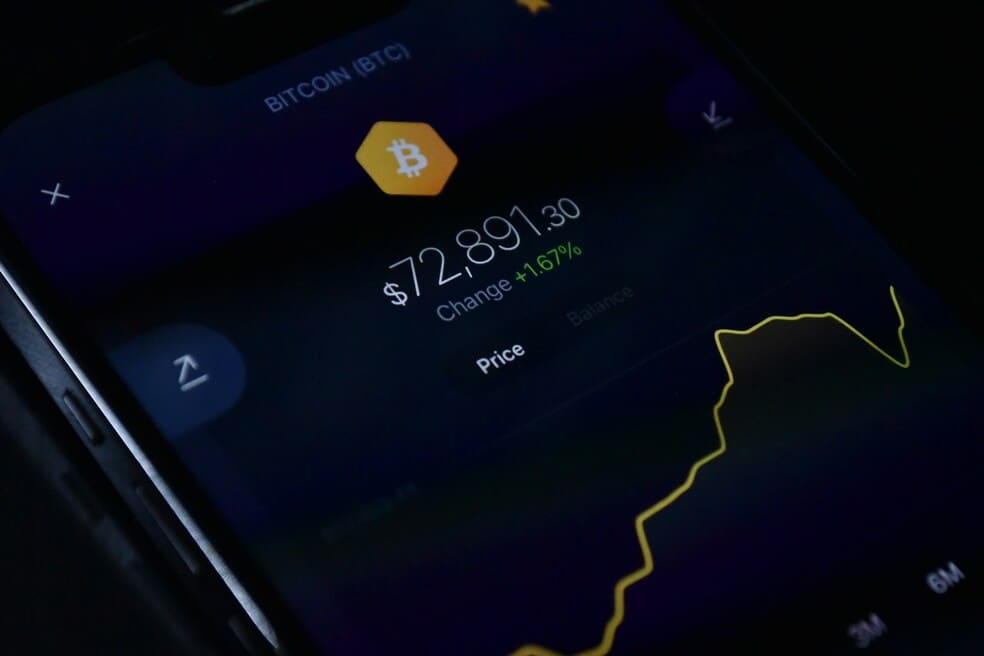
Crypto wallets are no longer evaluated only by their ability to store assets and sign transactions. Users increasingly expect one interface for portfolio visibility, asset swaps, fiat purchases, transaction tracking and access to decentralized applications.
Crypto APIs are enabling that shift. They allow wallet teams to add market data, blockchain intelligence, exchange connectivity and payment functions. The result can be a more useful product — but only when convenience does not come at the expense of transparency, security or user control.
The Wallet as a Product Hub
A traditional self-custody wallet generates or imports keys, displays balances and broadcasts signed transactions. That remains its core purpose. But a modern wallet now sits between blockchains, liquidity venues, decentralized applications, payment providers and security systems.
For many users, the clearest limitation is the gap between holding an asset and being able to exchange or use it efficiently. Well-designed Crypto Exchange APIs can close that gap by bringing quotes, liquidity and order execution into a familiar wallet interface, reducing the need to move funds across several services.
A wallet can also combine blockchain data with market prices to show token balances, transaction history and portfolio value in a preferred currency. The user sees a single dashboard, while the product handles different token standards, block confirmation rules and pricing sources in the background.
This is more efficient than requiring each wallet team to operate nodes, maintain indexers and normalize multi-chain data independently. Still, APIs do not remove responsibility. A wallet remains accountable for what it displays, how it handles errors and whether users understand the consequences of a transaction.
Which APIs Add Real Value?
The strongest API integrations solve visible user problems rather than simply adding features
Not every wallet needs every layer. A self-custody product aimed at long-term holders may prioritize accurate balances, security alerts and clear recovery tools. A payments-focused wallet may need address generation, stablecoin settlement updates and local currency conversion.
Feature selection should follow actual use patterns. Adding trading, lending and cross-chain transfers without improving transaction clarity can make a wallet less usable, not more
Exchange Features Without Hidden Trade-Offs
Exchange connectivity can make a wallet substantially more practical, but it requires honest product design. Before confirming a swap, users should see:
- The quoted exchange rate and how long it remains valid.
- Network fees, platform fees and any spread included in the quote.
- The expected amount received.
- Slippage tolerance and the conditions that may affect execution.
- Whether the transaction uses a custodial or non-custodial route.
Custodial flows can offer simpler execution and access to deeper liquidity. Non-custodial routes can preserve direct asset control, but they expose users to smart-contract risk, blockchain fees and variable execution. Neither model is automatically superior; the right choice depends on the product’s audience and risk profile.
The ability to integrate instant crypto exchange solutions can remove unnecessary steps between a user’s intent and execution. Yet “instant” should refer to the interface, not imply that market conditions are fixed. During sharp price movements or network congestion, a quote can expire, liquidity can change and settlement can take longer than expected.
A wallet should therefore distinguish between indicative and executable prices, disclose quote expiry and provide a transparent status record if a transaction is delayed or only partly completed.
- A readable preview before signing.
- Balance, fee and approval checks.
- Real-time status updates.
- Plain-language guidance when a transaction fails or remains pending.
- An activity record that stays understandable after the transaction is complete.
Transaction Intelligence Matters
A transaction hash is not a user experience. After signing a transfer, users need clear information about whether it is pending, confirmed, failed or requires action.
Blockchain data APIs, webhooks and transaction-simulation tools can make this process far clearer. A wallet can receive events when a transfer changes status rather than continuously polling a network. It can also run pre-transaction checks for insufficient gas, risky token approvals or likely execution failures.
A reliable transaction flow includes:
Technical resilience remains essential. Blockchain reorganizations can change a transaction’s provisional status, and webhook systems may send duplicate events. Wallets should use idempotency controls, retain their own event records and avoid treating one external callback as the final source of truth.
Security
API-driven functionality expands the wallet’s attack surface. A read-only price feed presents far less risk than an API with trading or transfer permissions.
Private keys and seed phrases should never be sent to third-party APIs. Sensitive credentials should be narrowly scoped, stored in secure secret-management systems, rotated regularly and monitored for unusual activity. Client-side signing should remain separate from server-side API operations whenever possible.
Privacy deserves the same discipline. Sending wallet addresses to multiple analytics vendors can expose a detailed profile of user behavior. Products should minimize data sharing, explain which information leaves the device and obtain meaningful consent where personal data is processed.
A Focused Expansion Strategy
The most effective wallet roadmaps start with reliable fundamentals: multi-chain balances, transparent transaction histories, market data and notifications. These improvements address daily friction without immediately introducing execution or custody risk.
Exchange and payment functions should come next, after testing quote quality, completion rates, support demand, regional coverage and fee disclosure. A modular architecture is equally important: providers can change pricing, limit access or suffer outages, so transaction records and core wallet data should remain portable.
Crypto APIs can turn wallets from passive key containers into more capable financial tools. The strongest products will not add every available integration. They will add the functions that reduce friction, improve transparency and preserve meaningful user control.
## Disclaimer
This article is provided for informational purposes only and does not constitute investment, financial, legal, tax or regulatory advice.


