

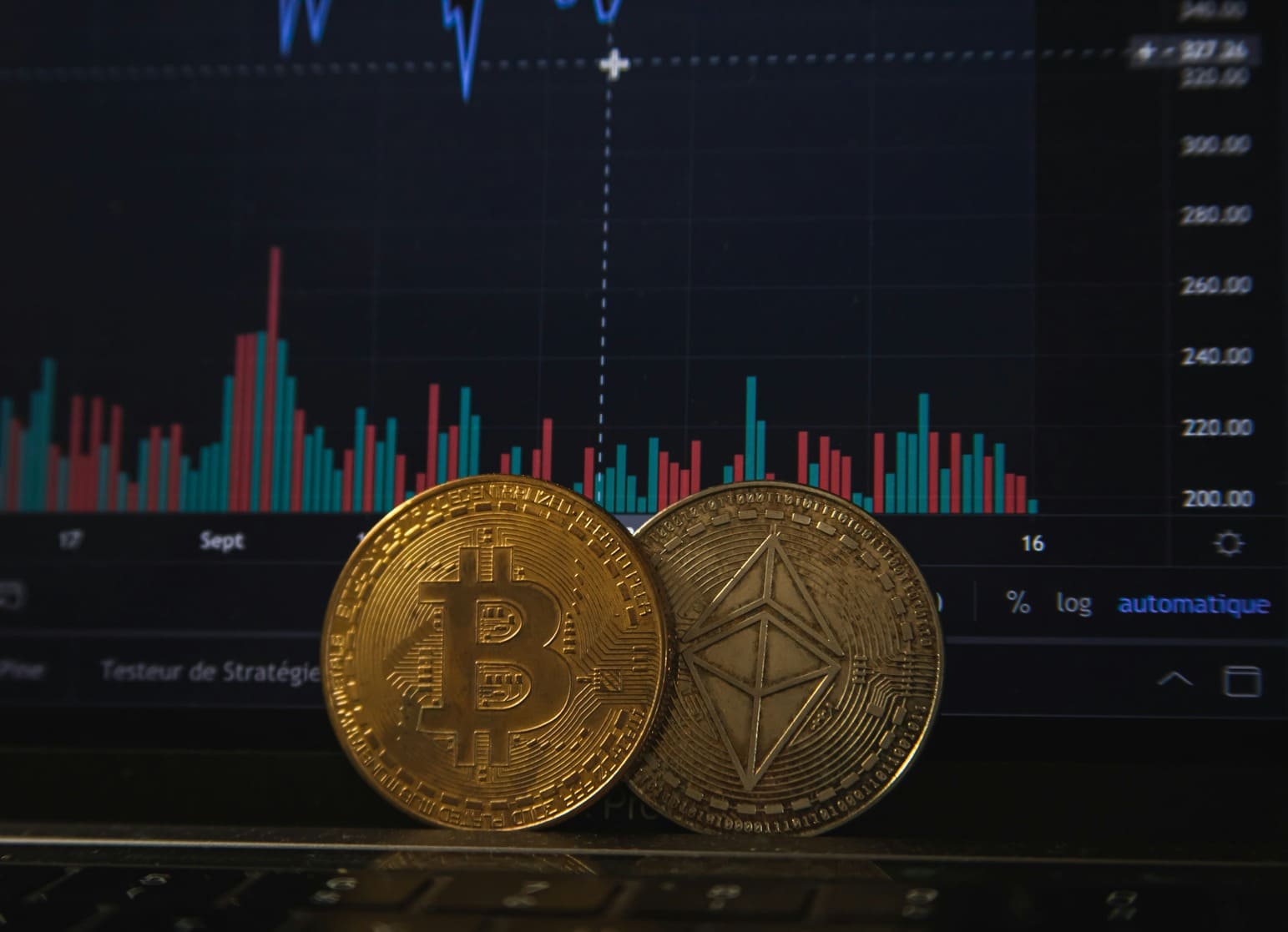
Yes, the hype of NFTs might be gone, but that doesn’t mean the technology is not useful anymore. Most people will roll their eyes and say, “Here we go, another NFT article,” but this is different when we’re talking about racehorses and the entire horse racing industry.
Why? Well, for simple reasons. Have you ever thought about owning a horse? Even non-horse racing fans have imagined owning a fast thoroughbred at some point. But since they cost hundreds of thousands of dollars, owning one is out of reach for most people.
But owning a horse doesn’t mean that you have to buy the entire horse. The industry has always been about ownership, and since syndicates and partnerships became a thing, it has changed how people buy horses.
So, what do NFTs and digital assets have to do with this? Well, instead of signing papers and wiring funds to a stable, some platforms allow you to buy digital shares of racehorses through blockchain-based tokens. To put it simply, we’re talking about racehorses that have been “tokenized.”
Now it makes sense, right? Let’s dive deeper into NFT racehorse ownership and find out what this is all about.
Ownership Was Never Just for Billionaires
Yes, for decades, owning a racehorse felt like something that was only reserved for the ultra-wealthy. You needed a lot of money to spare (without making a profit), connections, and access to high-end trainers.
But even before NFTs became a thing, syndicates made ownership more accessible. We’re talking about groups of people that could buy fractional shares in a horse, splitting both the cost and potential winnings.
This is how most elite horses that appear in the Kentucky Derby operate. So, if you thought about the amount of money that people need to put in so a horse can reach the Kentucky Derby, it’s much simpler when the costs are split.
And if you’re making a bet on this year's race, make sure to take this into account and research racehorse ownership before placing a bet. Yes, that can influence the outcome of the race. Or if you want the safest approach, make sure you check out the latest horse racing picks by TwinSpires.
Now, tokenization is just an addition to syndicates, but only makes the process digitalized. So, instead of a traditional ownership contract, everything is recorded on the blockchain, and it is all transparent. Each token corresponds to a portion of the horse’s economic rights.
So, this concept is nothing new, only a modernized structure of what has been the pillar of the horse racing industry for years.
What Does “Tokenizing” Actually Mean?
If you are new to blockchain and NFTs, let’s talk more about tokens, since this word has been thrown around and can mean multiple things.
Tokenizing a racehorse does not mean turning the animal into a cartoon or a JPEG and calling it a day. We all know that people have lost a lot of money in NFTs, but they didn’t bring any real-world value.
Tokenizing a horse means creating a digital asset (often an NFT or blockchain-based token) that represents a share of a real-world value tied to that horse. So, yes, it has a real-world value.
These tokens are stored on the blockchain, which is kind of like a transparent ledger. Ownership transfers are recorded publicly, and transactions are very easy to verify. Therefore, racehorse tokenization only simplifies things, removes paperwork, and makes fractional racehorse ownership more accessible.
NFTs vs. Real Equity
This is where most people get confused. Some platforms issue NFTs that are purely collectible and have no real-world value. We’re talking about digital racehorses in simulation games that can be bred, trained, and raced. These assets only have value within the ecosystem (in the game).
Other platforms have taken this a step further and tokenized actual racehorses.
There is a big difference.
Real-world racehorse tokenization ties a digital asset to an actual racehorse. It is linked to legal agreements governing ownership rights. So, if the horse wins, you get a percentage; that’s it.
Why the Racing Industry Is Interested
Horse racing is an old sport, but it’s constantly looking for ways to attract new audiences.
Even though horse racing as an industry has older fans, the sport is advancing into the modern world. And in order to continue to stay relevant, it needs to catch the attention of young investors.
Young investors are more open to the idea of tokenization and digitalization. They understand wallets, blockchain, tokens, and online platforms. So, for them, buying 1% in tokens feels more natural than navigating through complex traditional syndicate paperwork or appearing there in person.
In other words, tokenization opens up new revenue streams for the horse racing industry. As more people start investing in horses, the sport will become more competitive, more exciting, and more popular.
Risks Aren’t Gone
Let’s not pretend this is risk-free. Racehorse ownership has always carried financial uncertainty. Horses get injured. They underperform. They retire early. Even in traditional syndicates, returns are far from guaranteed.
Tokenization doesn’t remove that reality. It simply changes how shares are structured and traded.
Lastly, digital assets introduce another layer of volatility that most people don’t talk about. If the token itself trades on secondary markets, then its price can fluctuate independently of the horse’s actual performance. In other words, the price of the token might drop even if the horse is winning every race. This is called market manipulation, and it is based on supply and demand.
So now you’re dealing with both sporting risk and market risk.
But there is a real-world value to tokenizing racehorses, and it will only make the industry more exciting. Plus, you have a much lower risk than investing in collectible NFTs without any real-world value.


